As technology continues to shape education, careers, and everyday life, coding is no longer just a skill for aspiring software developers. In 2026, coding has become a valuable life skill that helps children think critically, solve problems creatively, and prepare for a rapidly evolving digital world.
Parents across Australia are increasingly recognising the importance of developing coding skills in students from an early age. With access to quality online learning support for kids AU, children can learn these essential skills from the comfort of home while building confidence for future academic and career success.
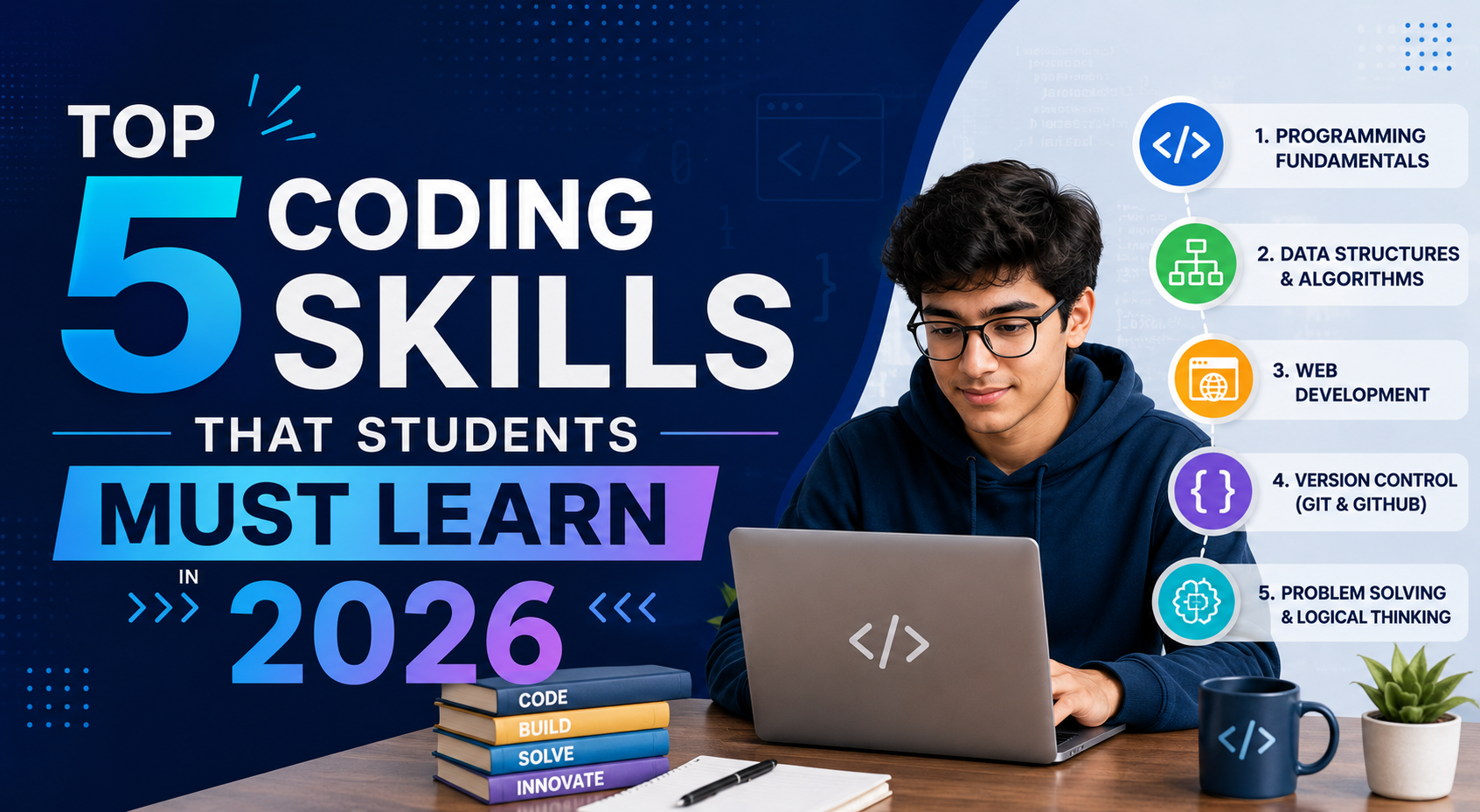
Here are the top five coding skills every student should focus on in 2026.
1. Computational Thinking
Computational thinking is the foundation of coding. It teaches students how to break complex problems into smaller, manageable parts and develop logical solutions.
Rather than simply memorising code, children learn to analyse patterns, identify relationships, and create step-by-step strategies for solving challenges. These skills are useful not only in programming but also in mathematics, science, and everyday decision-making.
Students who develop strong computational thinking skills become more confident when approaching difficult tasks and are better equipped to tackle new challenges independently.
2. Problem-Solving and Debugging
One of the greatest benefits of learning to code is understanding that mistakes are part of the learning process.
Debugging—the process of identifying and fixing errors in code—teaches children patience, resilience, and persistence. Instead of becoming frustrated when something doesn’t work, students learn to investigate problems, test different solutions, and improve their work through experimentation.
These problem-solving abilities help students become independent learners and build confidence that extends well beyond the classroom.
3. Programming Fundamentals
Every student should understand the basic building blocks of programming before moving on to advanced technologies.
Key programming concepts include:
- Variables
- Loops
- Conditional statements
- Functions
- Events
- Sequences
Learning these fundamentals gives students a strong foundation that makes it easier to progress from beginner-friendly platforms like Scratch to text-based languages such as Python or JavaScript.
Strong programming fundamentals also encourage logical thinking and improve students’ ability to create interactive games, animations, websites, and simple applications.
4. Creativity Through Coding
Coding isn’t only about writing instructions for computers—it’s also a creative process.
Students can design games, build websites, create animations, and develop digital stories that bring their ideas to life. Creative coding allows children to experiment, innovate, and express themselves while learning valuable technical skills.
This combination of creativity and technology helps students stay engaged and motivated, making learning both enjoyable and meaningful.
As digital industries continue to expand, creative thinking combined with technical knowledge is becoming one of the most valuable skill sets for future careers.
5. Collaboration and Digital Communication
Modern coding projects are rarely completed by one person alone. Students increasingly work together on projects, share ideas, provide feedback, and solve problems as a team.
Learning coding in an online classroom also develops important communication skills. Students practise explaining their ideas, asking questions, and collaborating with instructors and classmates.
These experiences help children become confident communicators while preparing them for future academic environments and workplaces where teamwork is essential.
Why Coding Skills Matter More Than Ever
Technology is influencing nearly every industry, from healthcare and engineering to finance, education, and creative media. Even careers that don’t require professional programming increasingly value employees who understand technology and can think logically.
Developing coding skills in students helps children:
- Improve logical and analytical thinking
- Strengthen problem-solving abilities
- Build creativity and innovation
- Increase confidence in STEM subjects
- Prepare for future careers in a digital economy
- Develop resilience through hands-on learning
When supported by engaging lessons and experienced instructors, coding becomes an enjoyable journey that equips children with skills they’ll use throughout their education and beyond.
How Ti Books Coding Classes Help Students Succeed
At Ti Books, we believe every child deserves the opportunity to develop future-ready digital skills in a fun, supportive learning environment. Our online coding classes are designed to help students build strong programming foundations while encouraging creativity, confidence, and critical thinking.
Through interactive, project-based lessons, students learn age-appropriate coding concepts using engaging platforms and real-world activities. Our experienced instructors guide learners step by step, ensuring they understand key programming concepts while developing practical problem-solving abilities.
As part of our online learning support for kids AU, Ti Books offers flexible online classes that allow Australian students to learn from home without compromising on quality. Whether your child is just beginning their coding journey or looking to strengthen existing skills, our personalised approach helps every learner progress at their own pace.
By investing in coding education today, you’re helping your child build the confidence, creativity, and technical knowledge needed to thrive in tomorrow’s digital world.